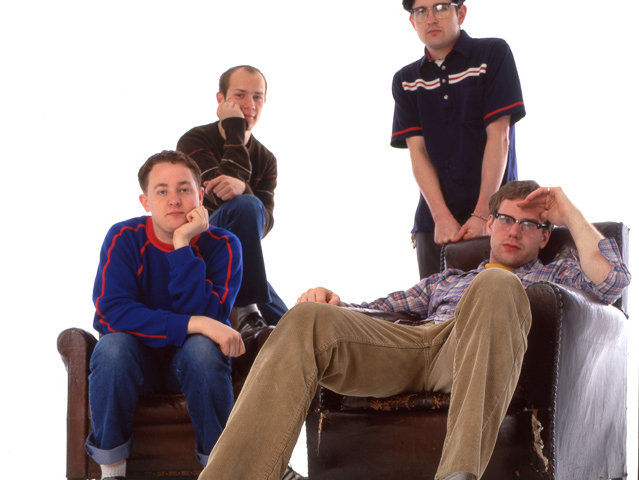
The Vibrators
- ALT.radio

- Nov 22, 2025
- 5 min read
Updated: Nov 26, 2025
The Vibrators emerged from London in 1976 as one of the key bands of the first wave of British punk, carrying both the urgency of the movement and a musical tightness that reflected the experience of their founding members. Led by guitarist and singer Ian Knox Carnochan, along with bassist Pat Collier, guitarist John Ellis, and drummer John Eddie Edwards, the group stepped onto the scene with a sense of immediacy that matched the moment. They quickly distinguished themselves from many contemporaries by merging punk’s speed and attitude with a knack for concise, melody-driven songwriting, establishing a blueprint for the pop-punk sound that would follow. Their early singles, like the classic “Baby Baby” and the UK Top 40 hit “Automatic Lover,” showcased this polished but still raw approach. Despite weathering numerous personnel changes—with Knox and Eddie Edwards forming the band's steadfast core—The Vibrators remained remarkably resilient and prolific, releasing over twenty studio albums and touring relentlessly for nearly fifty years. Their consistent dedication to their signature sound cemented their status as one of British punk’s most dependable, enduring, and influential names, directly inspiring bands like Stiff Little Fingers and being covered by The Exploited and Vader.

Biography
The group first came to wider attention when they backed the veteran guitarist Chris Spedding at the 100 Club during the crucial early days of British punk. On Spedding’s recommendation, the band signed to Mickie Most’s RAK Records, and their debut single “We Vibrate” introduced a sharp, hook-driven style that set them apart from the rawer sounds of many of their contemporaries. Not long after, the band again supported Spedding on his single “Pogo Dancing,” which placed them firmly in the swirl of the emerging scene.
As punk expanded across the United Kingdom, The Vibrators became fixtures at key venues including the Roxy Club. They recorded three Peel Sessions between 1976 and 1978, performances that captured their lean and melodic attack. The band spent early 1977 supporting Iggy Pop on his British tour, then later that year backed Ian Hunter, connections that highlighted their musical range and professionalism even as punk embraced its rough-edged identity.
Their move to Epic Records in 1977 led to the release of their debut album, Pure Mania, a record that crystallized their strengths. Co-produced with Robin Mayhew, who had worked as David Bowie’s sound engineer, the album reached the UK album charts and became a defining statement of the era. Songs like “Baby Baby” and “Stiff Little Fingers” showed their gift for concise and melodic punk that still carried bite, with the latter track famously inspiring the name of the Northern Irish band Stiff Little Fingers. The follow-up album, V2, arrived only months later, powered by the hit single “Automatic Lover,” which climbed into the UK Top 40 and earned them a spot on Top of the Pops. By this point the band had weathered its first lineup changes, with Gary Tibbs replacing Pat Collier on bass, but the core identity remained intact.
As the 1970s gave way to the early 1980s, personnel shifts became a recurring part of the group’s story. John Ellis departed, new members cycled through, and Knox briefly left to pursue solo work. Yet the band proved remarkably resilient. In 1982 Knox reunited with the original lineup to record Guilty, which marked the start of a productive streak that included Alaska 127 in 1984 and Fifth Amendment in 1985. The albums that followed throughout the decade, including Recharged and Meltdown, carried forward their melodic and hard-driving sound even as punk splintered into new subgenres.
Through the late 1980s and 1990s the band toured relentlessly, with Knox and Eddie forming the stable core through constant shifts in personnel. Guitarist Nigel Bennett joined during this period and became an important part of the band’s later identity. Albums such as Vicious Circle, Volume 10, Buzzin’, and Noise Boys showed how the group adapted while remaining faithful to their foundational style. They were embraced as one of punk’s most dependable touring acts, known for energetic shows and a refusal to slow down.
The new century brought renewed attention and productivity. The Vibrators issued a string of albums that included Energize, Under the Radar, and Punk Mania: Return to the Roots. Collaborations with other artists and labels expanded their reach, including the studio album On the Guest List and the later recordings Restless and Past, Present and into the Future, the latter of which brought together members from both their early and contemporary lineups. Their split release Across the Pond further demonstrated their ongoing commitment to the punk community.
In 2020 the original lineup reunited once again for Mars Casino, produced with longtime collaborator Chris Spedding, a project that connected the earliest version of the band with its modern vitality. Two years later they released Fall into the Sky, announced as their final studio album. While their official site now states that there will be no more Vibrators gigs, it also notes that individual members may continue with their own work. The passing of Pat Collier in 2024 marked the end of an important chapter, but the band’s legacy remains secure. The Vibrators began as outsiders playing music that was supposedly meant for the young and inexperienced, yet their seasoned musicianship helped carve out one of the defining sounds of early British punk, and through decades of recordings and unrelenting touring they became one of its most durable and respected names.
Watch
"Judy Says" live
"Baby Baby" audio
Personnel
Knox (Vocals, guitar)
John Ellis (Guitar, vocals)
Pat Collier (Bass, vocals)
John Eddie Edwards (Drums)
Gary Tibbs (Bass)
Nigel Bennett (Guitar)
Discography
Pure Mania (1977) The debut album that defined the band's blend of short, sharp punk energy with classic pop hooks. It reached the UK Album Charts and contained several of their signature tracks. Key tracks: “Baby Baby,” “Whips and Furs,” and “Stiff Little Fingers.”
V2 (1978) Released less than a year after their debut, this album featured a slightly more expansive and ambitious sound, driven by their biggest commercial hit. The album reached the UK Top 40. Key tracks: “Automatic Lover,” “Judy Says (Knock You in the Head),” and the widely covered “Troops of Tomorrow.”
Guilty (1982) This album marked the first reunion of the original lineup and initiated a productive period for the band in the 1980s. It solidified their return to a hard-driving, melodic punk core following the post-punk era.
Mars Casino (2020) A significant late-career album that saw the original lineup (Knox, Edwards, Ellis, and Collier) reunite in the studio, with production by Chris Spedding. It was hailed by fans as a vibrant return to form, connecting their earliest sound with contemporary vitality.
Fall into the Sky (2022) Announced as the final studio album by the band, it represents a definitive closing statement to their long, influential recording career, demonstrating their enduring commitment to their melodic punk roots.