

The Promise Ring
- Nov 27, 2025
- 3 min read
The Promise Ring emerged from Milwaukee, Wisconsin, in 1995 as one of the most melodic, influential, and enduring bands of the second-wave Midwest Emo movement. Formed by former members of important hardcore and punk outfits, including guitarist Jason Gnewikow and vocalist/guitarist Davey von Bohlen (ex-Cap'n Jazz), the group was instrumental in refining the sound of emo. They moved away from the genre's chaotic hardcore roots toward a brighter, more urgent style built on shimmering, intricate guitar work, driving rhythms, and von Bohlen’s distinctively poetic and vulnerable vocals. Despite a relatively short initial run, The Promise Ring created a body of work—especially their masterpiece Nothing Feels Good—that became a definitive blueprint for the melodic indie rock and pop-punk that followed.
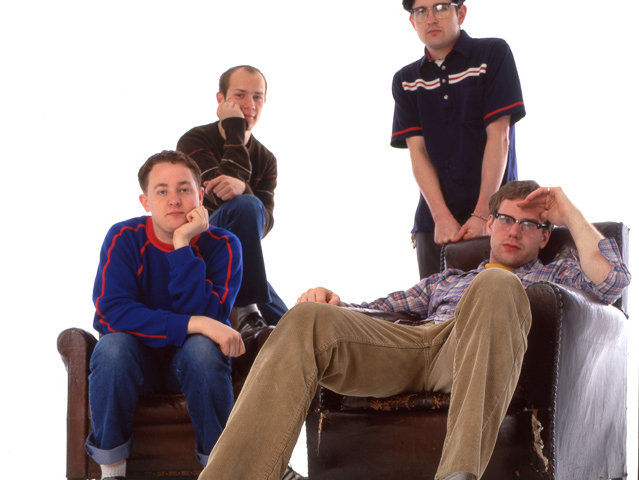
Biography
The foundation of The Promise Ring began shortly after the dissolution of the influential band Cap'n Jazz. Davey von Bohlen quickly teamed with guitarist Jason Gnewikow (ex-None Left Standing) and bassist Scott Schoenbeck (ex-Gauge). The original lineup was completed by drummer Dan Didier (ex-Ceilishrine). This collective experience gave the band a technical proficiency and structural understanding that immediately set them apart from the typical basement bands of the era. They quickly became mainstays on the Deep Elm Records label, which was central to the second-wave emo scene.
The band’s debut album, 30° Everywhere, arrived in 1996. It captured a raw, urgent energy and a nascent melodic sensibility, drawing comparisons to bands like Jawbreaker. While rooted in the emotional intensity of the underground, the album already hinted at the group’s future direction by prioritizing clean guitar lines and hooks.
The Promise Ring truly defined their sound with 1997’s Nothing Feels Good. Recorded in a more relaxed and focused environment, the album perfected their style: highly melodic, introspective, yet driving. Songs like “A Picture Postcard” and the title track feature layered, interconnected guitar patterns that were complex but instantly catchy, often described as “twinkly” or “jangly.” Nothing Feels Good became a genre touchstone, credited with moving the definition of emo closer to indie rock and laying the groundwork for many bands of the late 90s and 2000s.
In 1999, the band released Very Emergency, an album that marked a significant stylistic shift toward pop. Recorded with producer J. Robbins (Jawbox), the record featured polished production, heavier keyboards, and more straight-ahead, exuberant rock arrangements. The shift was accompanied by a change in personnel, with Tim Burton taking over on bass, though Schoenbeck would later return.
Their final studio album, Wood/Water (2002), was a dramatic stylistic departure. Recorded after von Bohlen underwent surgery for a brain tumor, the album is noticeably quieter, more acoustic, and deeply reflective, incorporating cello and horns. The record’s subdued sound contrasts sharply with their earlier high-energy work, offering a profound statement on recovery and change.
The Promise Ring officially dissolved in 2002 following the physical and mental exhaustion of extensive touring and von Bohlen's health challenges.
Following the split, the members remained active: von Bohlen and Didier formed the band Maritime with guitarist Dan Hinkley, continuing to explore melodic indie rock. Schoenbeck collaborated with artists like Dashboard Confessional and Braid.
The band has since reunited several times for brief tours, including a full tour in 2012 and selective performances at festivals in the mid-2010s. The enduring appeal of their catalog, particularly Nothing Feels Good, confirms their status as melodic innovators whose influence continues to shape independent rock music.
Watch
"Emergency! Emergency!" Music Video
"A Picture Postcard" Live
Personnel
Davey von Bohlen (Vocals, guitar)
Jason Gnewikow (Guitar)
Dan Didier (Drums)
Scott Schoenbeck (Bass)
Tim Burton (Bass)
Discography
30° Everywhere (1996) The debut album, capturing the band's raw intensity and early melodic drive. It is a transitional record that bridges their members' punk past with the sophisticated songwriting to come.
Nothing Feels Good (1997) Considered the band's masterpiece and a landmark of second-wave emo. It perfected their signature sound of clean, intricate, "twinkly" guitar interplay, driving rhythms, and poetic introspection.
Very Emergency (1999) A decisive shift toward glossy pop-rock and polished production (thanks to producer J. Robbins). The album introduced more keyboards and heavier arrangements, showcasing a vibrant, more extroverted sound.
Wood/Water (2002) The final studio album of their original run. Influenced by von Bohlen's health issues, the record is a stark, acoustic, and melancholic departure, incorporating cello and horns for a subdued, reflective feel.


