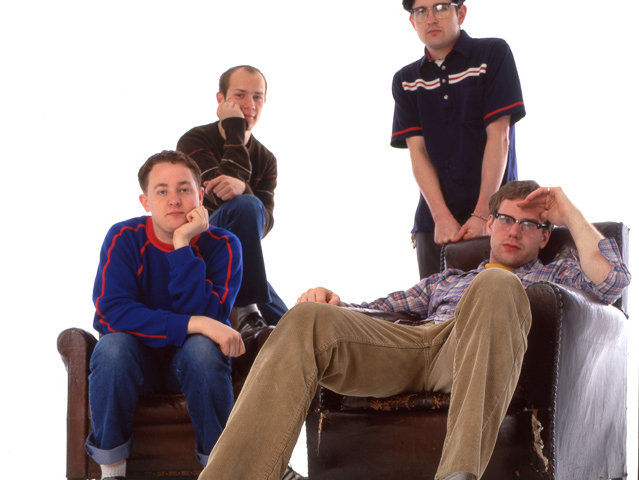
Built To Spill
Updated: Nov 27, 2025
Built to Spill is a foundational American indie rock band, primarily the vehicle for singer, songwriter, and guitarist Doug Martsch. Formed in Boise, Idaho, in 1992, the band quickly established itself as a leading voice in the post-Nirvana independent music landscape, celebrated for its unique blend of introspective, often philosophical lyrics, classic-rock-indebted guitar solos, and expansive, dynamic song structures. While Martsch remains the sole constant member, allowing for a shifting personnel that injects new energy into the project, the core Built to Spill sound—characterized by Martsch's distinctively reedy, high-pitched vocals and complex, layered guitar work that draws comparisons to Neil Young's Crazy Horse and 1970s progressive rock—has been remarkably consistent and deeply influential. The group's middle period, particularly the trilogy of albums There's Nothing Wrong with Love, Perfect from Now On, and Keep It Like a Secret, is widely regarded as a high-water mark for 1990s indie rock.

Biography
Doug Martsch first gained recognition in the Pacific Northwest music scene as a founding member and guitarist/vocalist for the influential alternative rock band Treepeople. Based first in Boise and later in Seattle, Treepeople established Martsch's early reputation for melodic, wiry guitar rock. Upon returning to his hometown of Boise, Idaho, he founded Built to Spill in 1992 with the stated, experimental intention of maintaining a rotating lineup, keeping the creative process fresh and diverse with each project. The band’s debut, Ultimate Alternative Wavers, arrived in 1993 on C/Z Records, introducing their sprawling, lo-fi aesthetic which drew from Dinosaur Jr. and Neil Young’s Crazy Horse.
The revolving door began immediately after the debut, and the following year's There's Nothing Wrong with Love, released on Up Records, featured a new configuration that included bassist Brett Nelson and drummer Andy Capps. This sophomore effort refined the band's sound, embracing clearer production and more focused pop-driven songwriting while maintaining a wistful sensibility. It quickly solidified their reputation with fan favorites like "Car" and earned widespread critical praise within the indie community, greatly expanding their audience. During this period, Martsch also collaborated with Calvin Johnson of Beat Happening to form the side project The Halo Benders.
In 1995, Built to Spill made the unexpected and then-seismic move of signing with major label Warner Bros. Records. Crucially, Martsch negotiated an unusual degree of creative control over the six-album deal, enabling them to transition to a major platform without having to compromise their artistic vision. This period produced their most critically successful and enduring work. 1997's Perfect from Now On marked a grand departure, utilizing longer, more intricate, and atmospheric song arrangements—with most tracks stretching beyond the six-minute mark—and was hailed as a masterpiece of complex indie psychedelia. Martsch largely played the primary instruments himself for the recording before stabilizing the core lineup with bassist Brett Nelson and drummer Scott Plouf. This solidified trio configuration then released 1999's Keep It Like a Secret, which managed to balance their epic tendencies with more concise, pop-leaning songwriting. With a higher production budget and an undeniable collection of tracks, it became their most commercially successful album to date and featured one of their signature songs, "Carry the Zero."
Following 2001's Ancient Melodies of the Future, the band entered a significant five-year gap between studio albums. During this hiatus, Martsch fulfilled a longtime personal ambition by releasing a solo blues and folk album, Now You Know (2002), and performed numerous solo acoustic concerts. They returned in 2006 with You in Reverse, which saw them become a four-piece with the addition of second guitarist Jim Roth, moving away from their reliance on longtime producer Phil Ek and fostering a more collaborative, jam-based sound that felt aggressive and raw. This was followed by There Is No Enemy in 2009.
After fulfilling their extensive commitment with Warner Bros., the band’s eighth album, Untethered Moon, arrived in 2015. Martsch later returned to his original vision of a rotating collective, and the band released When the Wind Forgets Your Name in 2022 on the iconic Sub Pop label, showcasing an entirely new rhythm section and a continued exploration of their signature, guitar-driven sound, proving their enduring relevance and influence on generations of indie rock musicians.
Watch
"Car" Music Video
"I Would Hurt A Fly" Live on KEXP
Personnel
Doug Martsch (Vocals, Guitar)
Melanie Radford (Bass) (Current)
Teresa Esguerra (Drums) (Current)
Brett Netson (Guitar, Bass) (Original member, recurring collaborator)
Ralf Youtz (Drums) (Original member)
Brett Nelson (Bass) (Long-time member)
Scott Plouf (Drums) (Long-time member)
Jim Roth (Guitar) (Member for You in Reverse and There Is No Enemy)
Discography
Ultimate Alternative Wavers (1993) The debut album for the band, released on C/Z Records. It established Martsch's idiosyncratic songwriting and featured the initial, raw iterations of his signature guitar work, blending psychedelic and lo-fi aesthetics. Key tracks include "Hazy."
There's Nothing Wrong with Love (1994) Released on Up Records, this sophomore effort refined the band's sound, introducing clearer production and more focused songwriting while maintaining a wistful, airy pop sensibility. It greatly expanded their audience and critical acclaim. Key tracks include "Car," "Big Dipper," and "In the Morning."
Perfect from Now On (1997) The band's major label debut on Warner Bros. Records, this album is often cited as a cornerstone of 90s indie rock. It features complex, sprawling songs, with most tracks running over six minutes, showcasing Martsch's ambition and lyrical depth. Key tracks include "Randy Described Eternity" and "I Would Hurt a Fly."
Keep It Like a Secret (1999) Blending the epic scope of its predecessor with more accessible song lengths and melodies, this album achieved both critical and commercial success. It features a stable, powerful trio lineup and is considered the zenith of their pop-psychedelic balance. Key tracks include "The Plan," "Carry the Zero," and "Center of the Universe."
Ancient Melodies of the Future (2001) The final album in the initial three-record deal with Warner Bros. It is a more compact record compared to the preceding two, continuing to explore their established sound with slightly more straightforward rock arrangements. Key tracks include "The Host" and "Alarmed."
You in Reverse (2006) The first studio album after a long hiatus, it saw the return of Martsch, Nelson, and Plouf, along with touring guitarist Jim Roth becoming an official member. The album is marked by a return to lengthy, collaborative jams and a heavier, more dynamic feel. Key tracks include "Goin' Against Your Mind" and "Traces."
There Is No Enemy (2009) This album continued the trend of stability in the lineup established with You in Reverse. It is praised for its maturity and more immediate, focused sound, demonstrating a mastery of their signature melodic, guitar-centric rock. Key tracks include "Hindsight" and "Life's a Dream."
Untethered Moon (2015) Released after a six-year gap, this album features a new rhythm section. It contains a spirited collection of songs that retain the classic Built to Spill sound: excellent guitar work, dynamic changes, and Martsch's heartfelt delivery. Key tracks include "Living Zoo" and "Never Be the Same."
When the Wind Forgets Your Name (2022) The band's ninth studio album and first for Sub Pop Records, this record features an entirely new, international rhythm section. It showcases a fresh blend of the band's characteristic guitar interplay with new rhythms, including reggae and dub influences on certain tracks. Key tracks include "Gonna Lose" and "Spiderweb."